






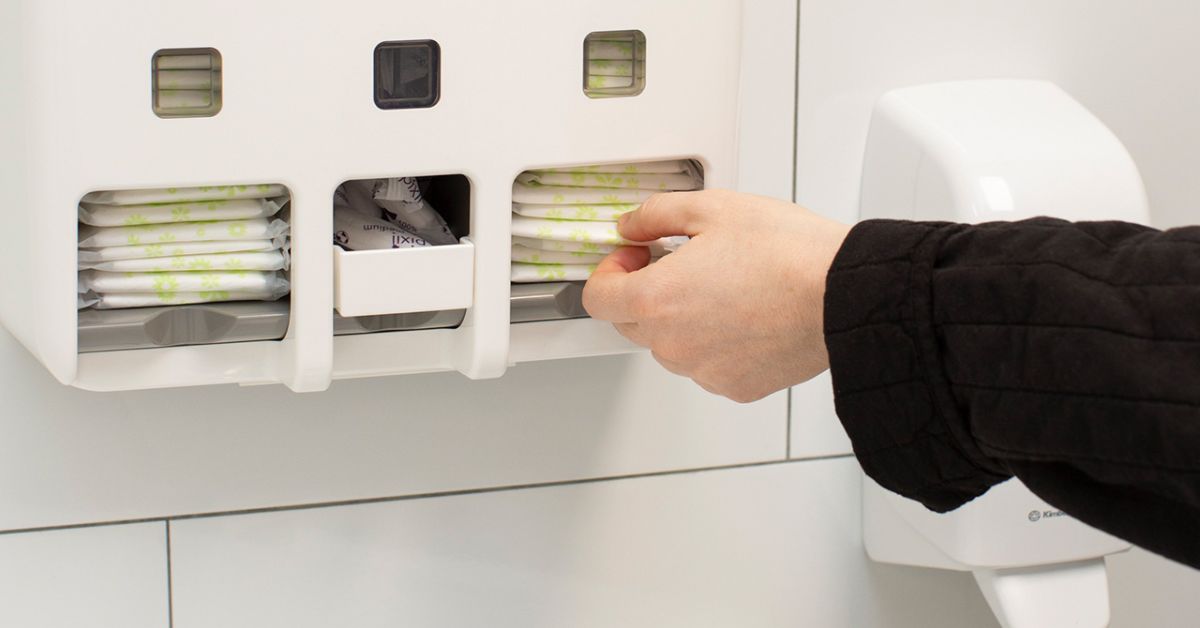
A notice of motion calling for free period product dispensers across Northern Beaches public facilities draws on national data showing 64 per cent of Australians who menstruate have struggled to afford period products in the past year.
The motion will be considered on 21 July. It proposes installing dispensers in toilets and change rooms at libraries, aquatic centres, community centres, sporting grounds and high-use public toilets, including the Warringah Aquatic Centre at 1 Aquatic Drive, Frenchs Forest.
The scale of period poverty
The 2024 Bloody Big Survey, the world’s largest dataset on menstruation with more than 153,000 Australian respondents, found that one in four people had worn a tampon or pad for longer than the recommended four hours due to cost.
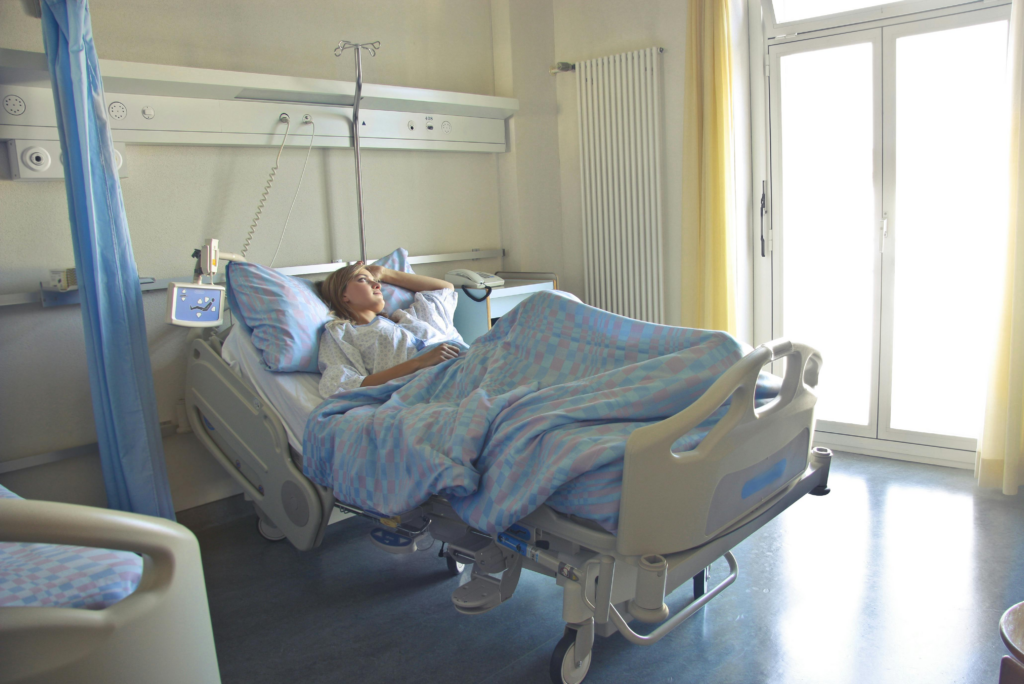
Sixty-three per cent of respondents said they had missed school because of their period, and 68 per cent had missed sport — with a fear of leaking cited as a primary driver, particularly for sports participation, alongside physical symptoms.
Australians who menstruate spend a median of $15 per month on period products, adding up to around $6,750 over a lifetime. Period-related absenteeism costs the Australian economy an estimated $9.6 billion annually.
The gap outside schools
Every state and territory in Australia now provides free period products in public schools, with NSW among the states that rolled out dispensers across high schools.
The GST on menstrual products was removed in 2019 following years of campaigning, resulting in a 9.1 per cent reduction in retail shelf prices according to the ACCC. Neither change has fully addressed access gaps in community spaces outside the school gate.
Share the Dignity, an Australian charity, operates a national network of Dignity Vending Machines in public toilets, community centres, homeless hubs and domestic violence refuges. The motion would place Northern Beaches alongside that effort.
Models already in place
Inner West has already rolled out contactless dispensers allowing patrons to wave their hand in front of a sensor. The machine recognises the hand, a light activates and the product is dispensed — no payment, no button, no stigma. Each unit holds 36 pads and 50 tampons.
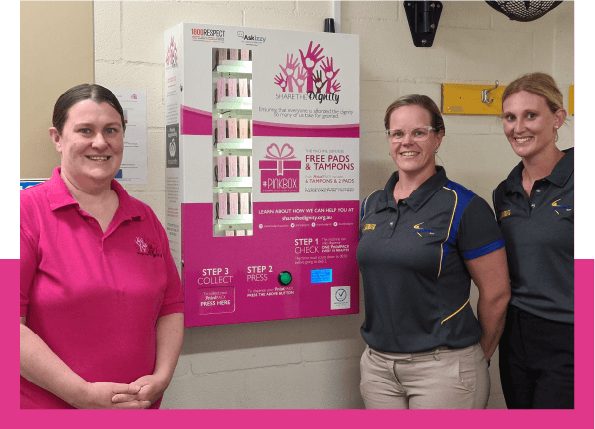
City of Sydney also provides dispensers in its public facilities.
Victoria took the broader model further in late 2024, piloting free dispensers in libraries, museums, hospitals and train stations — and planning to install 1,500 units across 700 locations by the end of 2025 in Australia’s first state-wide public-space program of its kind.
Scotland became the first country in the world to legislate free period products in all public buildings under the Period Products Act 2021.
The next step
The notice of motion asks for a staff report on installing dispensers across the Northern Beaches network of facilities, with the report to address costs, preferred locations and a proposed rollout model.
“No one should miss school or work, skip sport or avoid community spaces because they can’t afford a basic hygiene product,” the motion states. “Providing free period products is a small investment with a big return: better access to education, work, sport, community programs and public spaces.”
The motion is on the agenda for the 21 July meeting. Those wanting to support period product access in the meantime can donate to Share the Dignity’s Dignity Drive.
Published 7-July-2026