



For many Australians, an Indian menu can feel intimidating at first glance. Makhani. Rogan josh. Saag. Vindaloo. While these words are familiar, they aren’t always easy to decode. Phulkari Indian Cuisine are changing that for diners in Frenchs Forest, Mosman, and Balgowlah.
Beyond the butter chicken and garlic naan most diners already know, Phulkari’s venues showcase how North Indian cuisine actually works—through smoke, spice, texture, slow cooking, and balance.
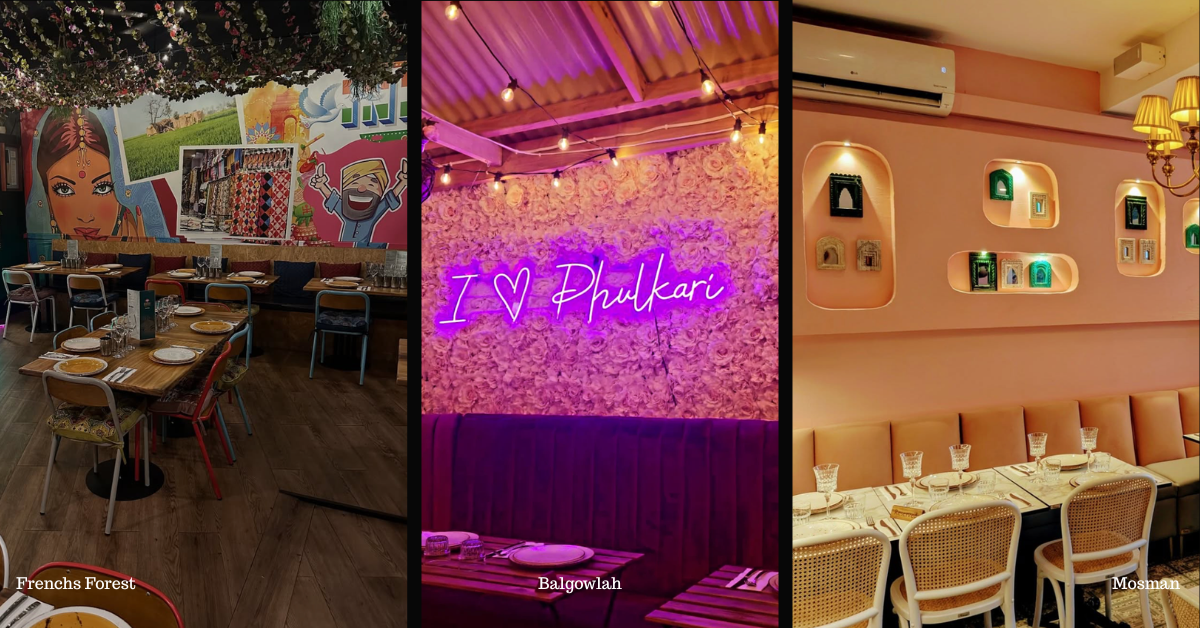
The Phulkari story began at its flagship Balgowlah location on Sydney Road, a neighborhood hub built on a multi-generational family restaurant legacy. While Balgowlah anchors the brand’s heritage with its relaxed courtyard setting, its sister venues branch out into distinct directions: the Frenchs Forest location leans heavily into vibrant street food and sharing-style plates, while the Mosman restaurant presents many of the same flavours through a contemporary evening dining experience, pairing classic curries with cocktails and wine.
Across all three locations, Phulkari dispels a common myth: North Indian food is not built around extreme heat. Instead, it focuses on warmth, aroma, and richness, layered through cream, tomatoes, yogurt, lentils, charcoal smoke, and balanced spice blends.
Learning the “Language” of the Menu
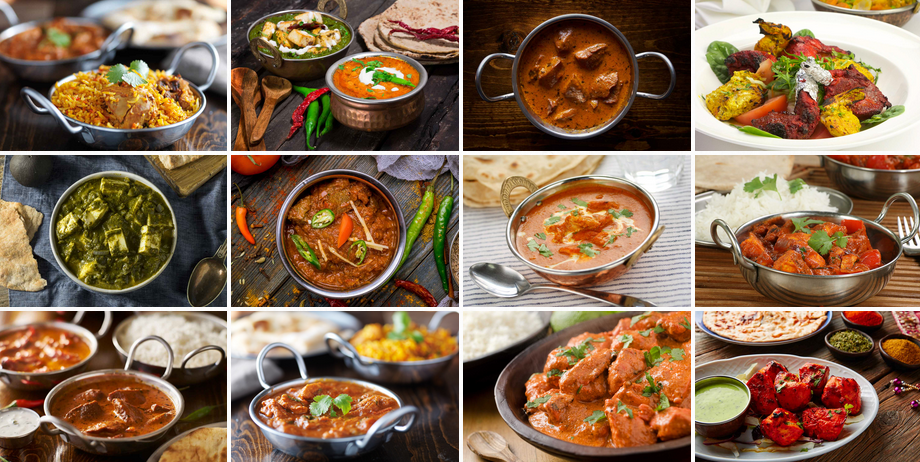
Once you understand the terminology behind North Indian cooking, ordering becomes second nature. Certain words immediately signal how a dish is prepared:
- Tikka: Refers to marinated meat or paneer cooked inside a tandoor (clay oven), giving it a smoky edge. Chicken tikka is served grilled, while chicken tikka masala folds those smoky pieces into a rich sauce.
- Makhani: Derived from the Hindi word for butter, these dishes feature rich, tomato-based sauces layered with cream and aromatic spices.
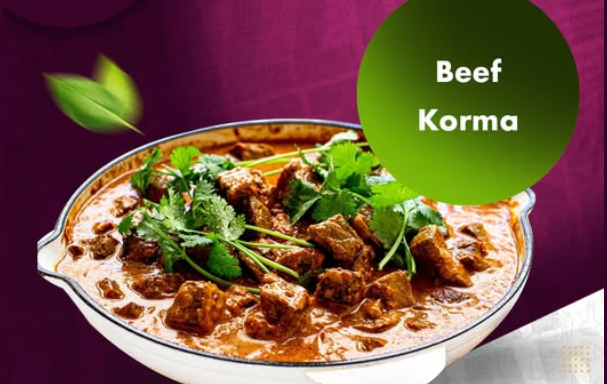
- Korma: A softer, creamier curry built around a cashew paste designed to mellow the spices rather than intensify them.
- Vindaloo & Madras: Signals higher heat and sharper spice, with Madras often carrying warmth from chilli and coconut.
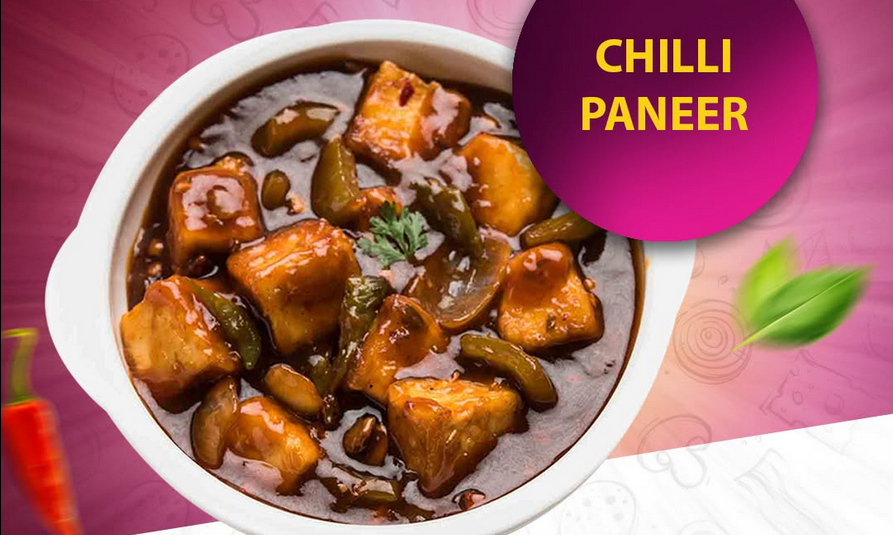
- Paneer: Refers to the use of fresh, unaged cheese, with a mild, milky flavor and a dense, chewy texture similar to firm tofu. Paneer absorbs flavors beautifully and does not melt when cooked, it is a primary source of protein in Indian vegetarian cooking.
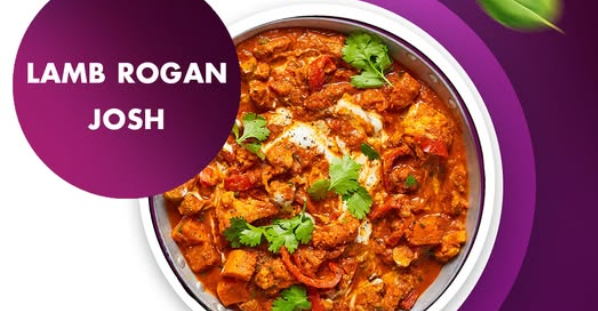
- Rogan Josh: Features deep, aromatic flavours rooted in Kashmiri traditions.
- Saag: Refers to blended leafy greens (usually spinach). Dishes like lamb saag or palak paneer develop richness through greens and gentle spice rather than tomato gravies.
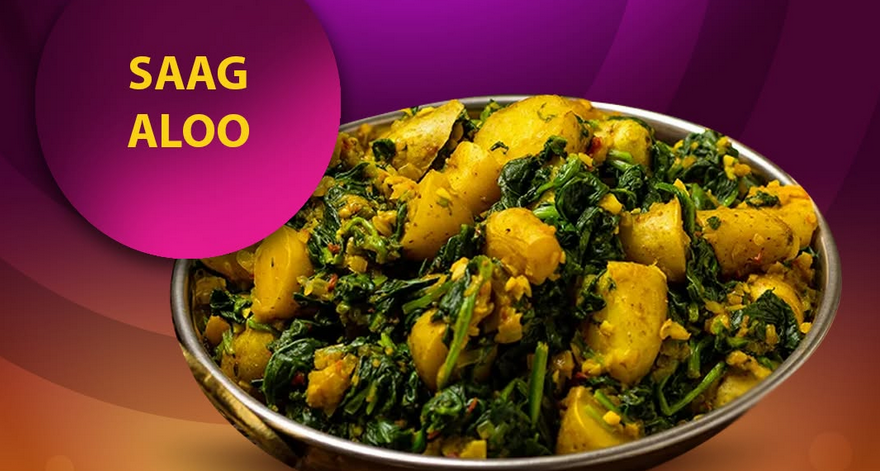
- Aloo: Refers to the inclusion of potato in the dish. Saag aloo, for example, features leafy greens (saag) and potatoes (aloo). Not to be confused with vindaloo.
A Rich Vegetarian Tradition
North Indian cuisine treats lentils and vegetables as centrepieces rather than meat substitutes. This is best seen in dal makhani, where black lentils and kidney beans are slow-cooked for hours until thick, creamy, and deeply savory.
The Art of Chaat and the Tandoor
To truly understand North Indian dining, you have to look at two culinary pillars: the street-food culture and the clay oven.
1. The World of Chaat
While available as popular starters at Balgowlah, chaat (street food) takes center stage at Frenchs Forest. Built entirely on contrast, dishes like samosa chaat and papri chaat collide crisp pastry, cool yoghurt, fresh herbs, tangy tamarind, and chickpeas into a single bite—sweet, tangy, crunchy, and creamy all at once.
2. The Power of the Tandoor
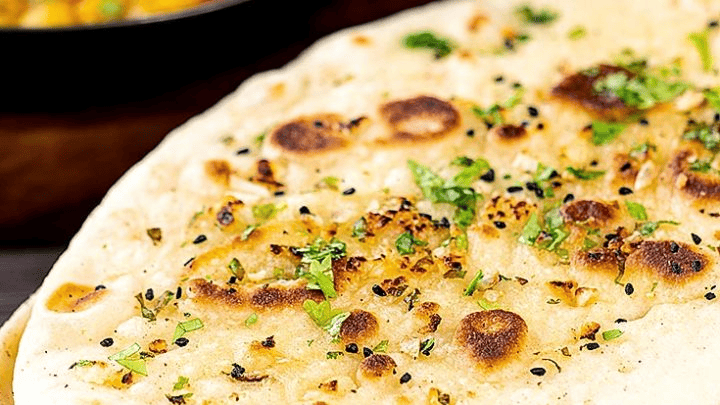
The tandoor sits at the heart of the kitchen, cooking at extreme temperatures to create the distinct char and smokiness found in seekh kebabs and fresh tandoori breads. Breads are integral to the meal, acting as utensils to scoop up rich sauces:
- Naan: Soft, leavened, and rich.
- Roti: Light and wholemeal-based.
- Paratha: Layered, flaky, and buttery.
One Philosophy, Two Distinct Experiences
While the core cooking philosophy remains consistent, Phulkari subtly adapts its menu to suit each neighbourhood:
| Phulkari Balgowlah | Phulkari Frenchs Forest | Phulkari Mosman |
| The Heritage Anchor: Relaxed, neighborhood-focused atmosphere with a covered courtyard. | The Street Food Hub: Casual, lively vibe with a strong emphasis on sharing-style chaat. | The Refined Date Night: Contemporary evening dining paired with a curated cocktail and wine list. |
In all venues, the emphasis remains on balance. Newer diners are often surprised to find that the food relies on depth of flavour rather than aggressive chilli.
How to Explore Further
Most people start with the familiar trilogy: butter chicken, garlic naan, and saffron rice. However, understanding the menu structure allows diners to build a table based on contrast rather than ordering competing dishes.
If you want smokiness, look to the tandoor. For comforting richness, choose a korma or dal makhani. For bright, punchy spice, explore vindaloo or Chettinad-style curries.
Butter chicken may be the gateway, but Phulkari reveals just how vast the cuisine can be. Backed by a kitchen team that has remained with the restaurant for over a decade, Phulkari ensures that, whether you are grazing on chaat in Frenchs Forest, or having an evening out in Mosman, or dining at the original Balgowlah location, you are getting a true map of North India’s flavours.
Published 28-May-2026
Phulkari Indian Cuisine is a Proud Promotional Partner of Sydney Suburbs Online News.